
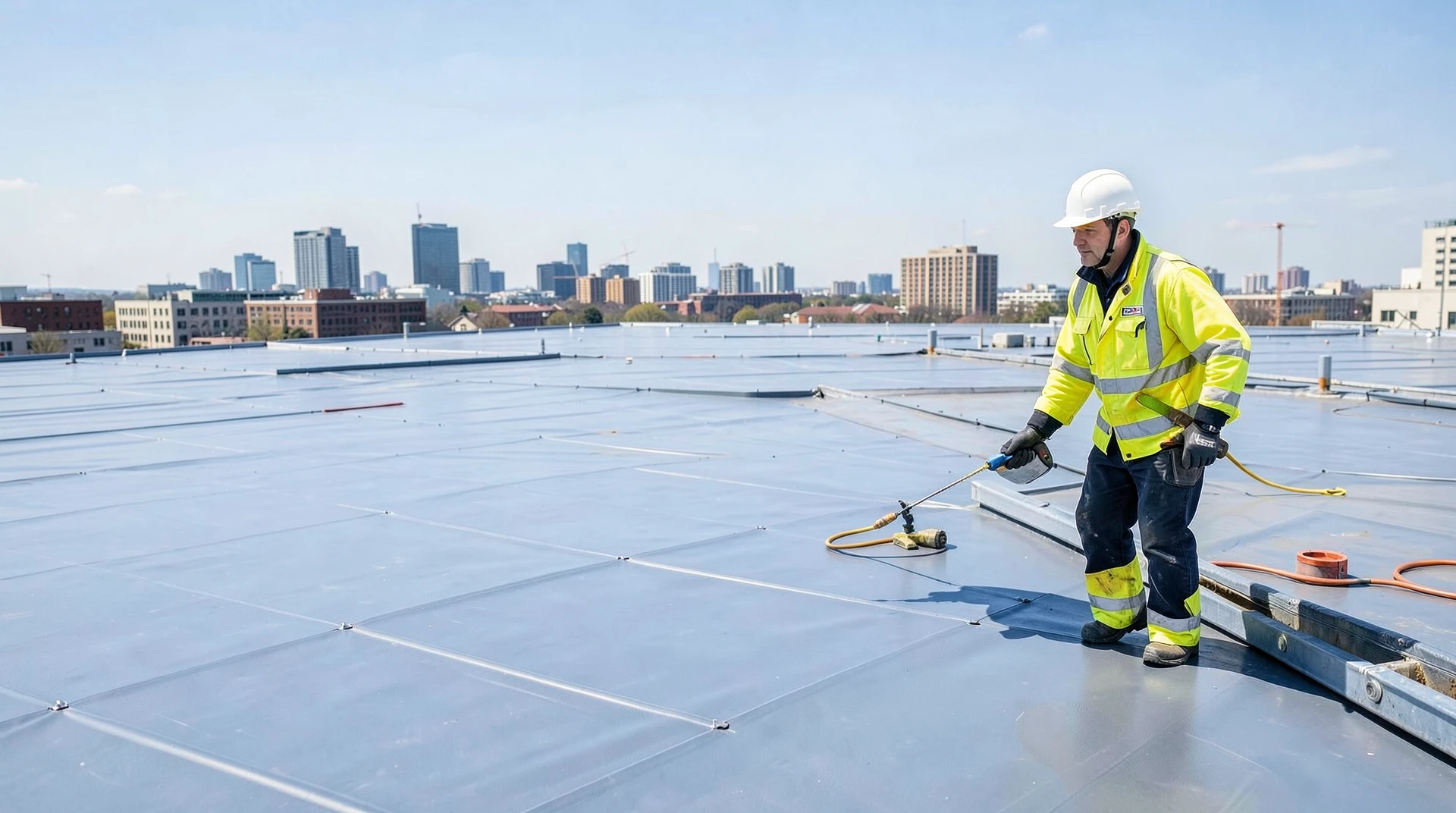
When you own a multi-unit property or manage critical commercial infrastructure, your roof is far more than just a protective layer-it’s a fundamental component of your operational continuity and overall asset value. For facility managers and property owners in Royse City, TX, the thought of unexpected leak repairs, especially after a major storm, can be genuinely stressful. You've invested heavily in your building, and no one wants that investment jeopardized by hidden costs or confusing paperwork.
Many people approach roofing warranties like an insurance policy-a simple guarantee against bad weather. But the truth is far more complex. A warranty isn't just a promise; it’s a highly specific legal document detailing who pays for what, when, and under which circumstances. Our goal here at Roof Flow Solutions is to cut through the jargon and give you a clear, pragmatic understanding of understanding the warranty on new roof installation materials. We will walk you through the three pillars-material quality, labor skill, and system integrity-so that your next full roofing system replacement cost is not just an expense, but a protected long-term investment.
More Than Paperwork: Why Your Roof Warranty Isn't Just About Shingles
If I could give one piece of advice based on my decades in this business, it’s this: when you talk to a contractor about your roof, don't just ask for the "warranty." Ask them to explain three separate warranties and why each is crucial to protecting your entire Capital Expenditure (CapEx) investment.
Defining Risk Management Through Warranty Layers
The biggest fear I encounter from property owners isn't bad weather; it's unexpected cost overruns. A good warranty, viewed correctly, acts as a sophisticated risk management tool, not just a simple guarantee of quality. To understand this properly, you must differentiate between three critical types of coverage:
- Manufacturer Warranties (The Material): This covers the inherent durability and failure rate of the actual product-the TPO sheet, the metal panels, or the asphalt. If the manufacturer’s material degrades prematurely due to a manufacturing flaw, this warranty kicks in.
- Material Warranties (The Product Quality): While often overlapping with Manufacturer warranties, this specifically guarantees that the product meets certain performance metrics for its expected lifespan, regardless of who manufactured it. This is about quality assurance.
- Workmanship/Installation Warranties (Our Labor): This is perhaps the most overlooked yet most vital piece. It covers our skill-how we installed the system and how well we sealed every seam and penetration. If a leak occurs because the underlayment wasn't properly layered or flashing was incorrectly placed, that’s a workmanship failure, not a material one.
The Pitfall of Poor Documentation
A crucial point that often gets missed is documentation. A premium warranty may require specific commercial-grade materials-like TPO or standing seam metal roofing-because those systems are designed for superior structural longevity compared to basic residential options. However, if the initial contract estimate doesn't specify these components by name and grade, or if it vaguely refers to "high-quality material," you could inadvertently void your coverage before the first storm even hits. Always insist on a detailed, line-item estimate upfront that names every component: flashing type, underlayment gauge, membrane width, etc.
Decoding the Three Pillars of Roof Coverage: Material, Labor, and System Integrity
When we talk about full roofing system replacement cost, most people immediately think of shingles or membranes. But a modern commercial roof is not simply one layer; it’s an integrated assembly that must work together-like the skeleton of your building. This integration defines "system integrity."
The Low-Slope System Shift
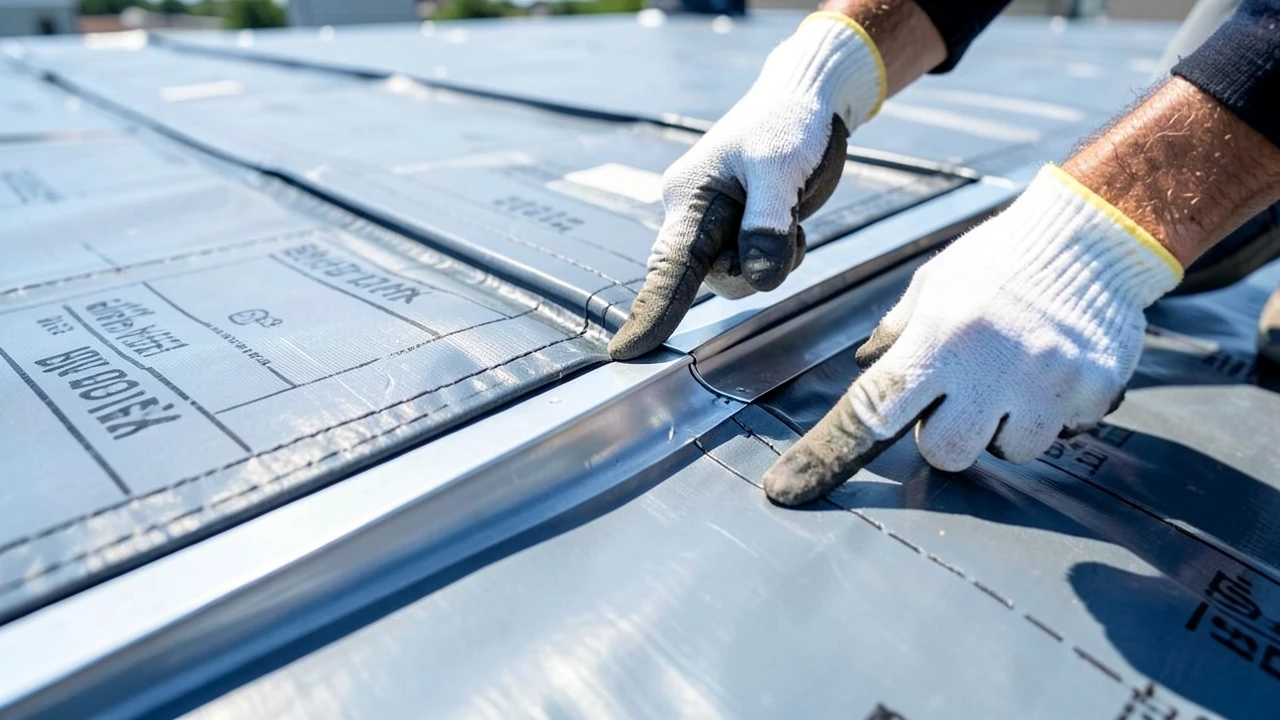
For low-slope commercial roofs (where we commonly use TPO, EPDM, or modified bitumen), the warranty focus completely shifts away from individual sheet life and towards seam integrity and adhesion. These membranes rely on seams being chemically bonded under tension. If a seam fails due to UV exposure, poor bonding chemicals, or improper prep work, the entire system is compromised-and that failure point is usually where water enters first.
Furthermore, we must always discuss flashing and penetrations. Think of these areas as the arteries and veins of your building: the chimney stacks, vent pipes, HVAC units, and mechanical access points. These are statistically the most common failure points across any roof system, and they are almost always what void warranty claims if not handled with extreme care. A robust workmanship guarantee minimizes operational downtime because it means we anticipate these critical failure spots before a leak forces an emergency response years down the line.
The System Viewpoint
When we discuss a "full roofing system replacement," we aren't just covering the membrane; we are ensuring that underlying components-like structural decking, proper insulation layers, or modified bitumen bonding agents-are fully warrantied and accounted for. This holistic approach is essential to achieving true commercial roofing system longevity.
I recall working on a large facility in Royse City where the previous crew had used inadequate flashing materials around several utility penetrations. The roof looked fine, but when we tested it with a controlled water flow simulation (a standard practice for us), the leaks started immediately at three points that were technically "covered." This showed me that even minor structural flaws can void coverage if not properly addressed during the installation phase.
When Disaster Strikes: Navigating Damage Claims and Warranty Limitations
The most difficult conversations happen when a major storm hits-whether it's high winds, hail, or heavy rain in central Texas. Property managers naturally fear two things: 1) that their insurance claim will be rejected, and 2) not knowing where to start with the sheer scope of damage.
Differentiating Damage Types
It is absolutely critical to understand what constitutes an "Act of God" event versus routine wear and tear. Warranties are highly specific about excluded damages. For example, while a hurricane might cause physical impact (an Act of God), gradual failure due to decades of acidic rain runoff or poor drainage maintenance is considered wear and tear, which may not be covered by the original warranty.
This difference requires objective assessment. When we arrive after a storm-say, in the heart of Royse City-we don't just estimate the visible damage on the shingles. We analyze how the stress from the wind or hail impacted the entire roofing system: did it tear underlying flashings? Did it compromise the structural deck? Our assessment anticipates future failure points by consulting with experienced Union Valley roofing contractors so that your remediation plan is comprehensive and defensible to an insurance adjuster.
Proactive Claim Management
This is where our team’s experience provides genuine value beyond just materials. We understand that dealing with insurance adjusters, building codes, and complex documentation is a full-time job. Our process involves handling the necessary preliminary documentation and communication with adjusters so that you don't have to manage the complexity. This proactive approach helps ensure that when you are filing for the repair after an event like severe hail damage, your claim is built on solid facts and expertly documented evidence of structural necessity.
Minimizing Risk: Assessing Your Existing Roof Before New Investment
The most common mistake I see property owners make-and it costs them hundreds of thousands of dollars-is reacting only to visible failure. They wait for the leak, then they call us. But the best roofing decisions are made by anticipating future wear and tear, not just fixing what's currently dripping into a ceiling tile.
Beyond the Water Stain
A thorough roof inspection from Roof Flow Solutions, such as a Roof Flow Solutions professional inspection, goes far beyond checking for obvious water stains or visible shingle damage. We assess the entire drainage pattern of your property. We look at:
- Flashing Condition: Are the metal pieces around vents and chimneys showing signs of corrosion or separation?
- Underlying Structural Integrity (Roof Decking): Is the concrete or wood decking underneath compromised by water saturation, suggesting we need to factor in deck replacement needs for your complete roof replacement estimate?
- Drainage: Are gutters backed up with debris, slowing runoff and stressing flashings?
By identifying these aging risks now-before a major leak forces an emergency decision-we help protect your Return on Investment (ROI) and keep operating costs predictable. It prevents the costly cycle of temporary patches that only delay the inevitable full CapEx investment. As I always tell my clients, "The best roofing decisions are made by anticipating future wear and tear, not just reacting to visible damage."
Beyond the Contract: Planning for Longevity and Compliance
A warranty doesn't end when the final nail is driven. It’s part of a long-term partnership focused on keeping your asset compliant and functional decades from now.
The Connection to Modern Building Standards
In today's market, property owners are thinking about more than just leaks; they are thinking about sustainability. Warranties often tie into building compliance, especially when properties transition or seek LEED certification. A brand new system must not only be durable but also meet modern energy standards and reflect appropriate structural upgrades for the future mixed-use nature of the building.
The True Value of a Maintenance Schedule
Even after installing a premium, warrantied roof, it still needs routine care. This is where we establish a clear maintenance plan-it might include annual gutter cleaning, minor flashing checks, or coating touch-ups. Ignoring this simple upkeep can void even the most comprehensive understanding the warranty on new roof installation materials.
When weighing your options between an "affordable" fix today and a premium system with decades of coverage, always remember that choosing the material explicitly covered by a long-term commercial warranty is not just spending money; it's investing in reduced liability and predictable repair costs over the next 20 to 50 years. We treat your property like it’s our own-our goal is simple: ensuring minimal disruption to tenants or business operations while maximizing your peace of mind.
Ready to protect your investment? Let us show you how we make complex roofing warranties clear and actionable, protecting your asset from the first inspection through decades into the future. Call us today for a detailed assessment in Royse City.